Cataract Care In St. Marys, GA

Addressing progressive clouding of the natural ocular lens requires specialized evaluation and collaborative post-surgical co-management. At Vision Source Family Eye Care, comprehensive diagnostic care helps patients in St. Marys maintain clear vision, evaluate surgical readiness, and choose optimal lens technologies tailored to coastal living.

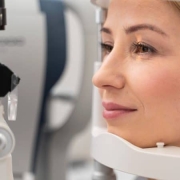
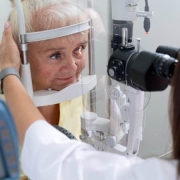
Living along Georgia State Route 40 and near the St. Marys Submarine Museum, active coastal residents often notice gradual changes in color vibrancy or increasing headlight glare during evening drives. Vision Source Family Eye Care provides targeted medical diagnostics to identify nuclear sclerosis and other age-related lens changes before day-to-day vision declines. During a comprehensive evaluation, our doctors use ocular biomicroscopy, an advanced slit-lamp examination method that inspects microscopic ocular structures under high magnification. This detailed inspection measures the density of lens opacification to determine whether targeted medical management or surgical consultation is appropriate. Dr. Ian Buchli and Dr. Glen Knezich guide each patient through detailed visual performance assessments to protect everyday clarity.

Modern Surgical Co-Management and Premium Lens Options

When natural lens proteins clump together, light rays scatter across the retina rather than focusing sharply. Modern cataract removal relies on phacoemulsification, a sophisticated surgical technique using ultrasonic sound waves to break up the cloudy natural lens before removal. Preparing for this procedure requires precise pre-operative mapping, including measurements for astigmatic refraction, which measures how irregularities in corneal curvature distort light focus. Patients selecting premium intraocular lenses, which are specialized implantable replacement lenses designed to correct presbyopia or astigmatism, achieve enhanced visual depth across multiple focal distances. Post-operative care involves monitoring intraocular pressure, or fluid pressure inside the eye, to support optimal healing after surgery. Our clinical co-management protocols ensure seamless coordination between local optometrists and regional ophthalmic surgeons.

Diagnostic Modalities for Cataract Assessment

Diagnostic Technology Clinical Focus Primary Objective
Digital Slit-Lamp Biomicroscopy Lens Structure Analysis Quantify nuclear sclerosis severity
Astigmatic Refraction Mapping Corneal Curvature Measurement Determine optimal IOL parameters
Applanation Tonometry Intraocular Pressure Tracking Monitor fluid dynamics post-surgery
Optical Coherence Tomography Macular Health Screening Verify retinal integrity before surgery

Key Benefits of Surgical Co-Management

  • Preserves visual acuity by catching gradual lens opacity before severe visual impairment develops.
  • Offers access to advanced lens implants designed to reduce reliance on corrective readers or distance glasses.
  • Ensures convenient local follow-up care in St. Marys along the Georgia State Route 40 corridor.
  • Maintains continuous oversight of internal fluid dynamics to protect long-term optic nerve function.

Common Questions About Cataracts

Navigating changes in visual clarity often brings unexpected uncertainty for active adults enjoying coastal recreation in St. Marys. Experiencing night glare while driving along Interstate 95 or struggling to read fine print can raise questions regarding timing, safety, and lens choices. Clinical care at our practice prioritizes patient education, and we take time to explain every stage of cataract evaluation and post-operative recovery. Below are direct answers to common questions from local patients about cataract care, surgical timelines, and modern replacement lenses.

How do I know when it is time to evaluate my cataracts?

We recommend evaluating your natural lens when increased glare or reduced clarity begins interfering with daily tasks like night driving. Our friendly team in St. Marys ensures your diagnostic consultation feels relaxed, informative, and customized to your lifestyle goals. Detailed testing allows our doctors to determine whether custom prescription adjustments or surgical co-management will deliver the best visual outcome.

What are premium intraocular lenses and how do they help?

Premium intraocular lenses are advanced artificial implants designed to replace the cloudy lens while correcting astigmatism or presbyopia simultaneously. Many patients appreciate how these multifocal options reduce their dependence on reading glasses during daily activities around Coastal Georgia. Choosing the right implant involves meticulous pre-operative mapping to match your unique ocular anatomy with your functional vision preferences.

What does cataract co-management involve at Vision Source Family Eye Care?

Cataract co-management involves initial surgical candidate evaluations and pre-operative preparation performed locally, followed by personalized post-operative recovery care. Caring doctors guide you through every follow-up appointment to confirm your eye is healing comfortably after phacoemulsification. Continuous collaboration between our optometric practice and local ophthalmic surgeons guarantees comprehensive visual rehabilitation.

Schedule Your Cataract Consultation in St. Marys

Restoring crisp visual clarity empowers you to enjoy every moment along the Georgia coastline with confidence. Vision Source Family Eye Care provides dedicated cataract evaluations and comprehensive surgical co-management for residents across St. Marys and surrounding communities. Contact our office today to schedule your comprehensive appointment with Dr. Ian Buchli or Dr. Glen Knezich.

Cataracts in Brunswick, GA

Cataracts develop gradually as proteins in the crystalline lens aggregate, clouding vision over time. Vision Source Family Eye Care provides comprehensive diagnostics, utilizing advanced optical coherence tomography to evaluate lens density and co-manage surgical interventions for residents throughout Brunswick and the surrounding coastal communities.

Navigating the daily commute along Interstate 95 becomes challenging when subtle glaring from oncoming headlights distorts your clear vision. Many residents in Brunswick notice that reading signs near Mary Ross Waterfront Park requires increased focus due to clouding within the eye. This clouding stems from cataracts, an age-related condition in which structural proteins in the crystalline lens clump together. Our clinical team evaluates optical clarity using advanced diagnostic technology to determine precise intervention timelines.

Biological Mechanics and Precision Surgical Co-Management

Preserving long-term visual acuity requires exact timing and structural assessment. During an examination, Dr. Ian Buchli utilizes optical coherence tomography to measure corneal thickness and anterior chamber dimensions. Modern cataract restoration relies on laser-assisted phacoemulsification, a procedure utilizing ultrasonic sound waves to break down the clouded crystalline lens before gentle extraction. Advanced diagnostic calculations determine the optimal power for the new artificial implant. By performing exact intraocular lens calculations, our doctors ensure optimal focal post-operative targets tailored to each patient. Our practice partners with elite regional surgeons to guide patients seamlessly through pre-operative preparation and post-surgical recovery.

Cataract Diagnostics and Co-Management Overview

Diagnostic Phase Key Clinical Focus Advanced Technology Used
Lens Density Evaluation Assessing structural clouding and light scatter High-resolution slit-lamp biomicroscopy
Structural Mapping Measuring corneal curvature and chamber depth Optical coherence tomography
Surgical Planning Determining power for implant placement Laser-assisted intraocular lens calculation
Post-Operative Care Monitoring tissue healing and visual acuity Automated perimetry and corneal topography

Key Benefits of Advanced Cataract Care in Brunswick

  • Early identification of nuclear density changes through non-invasive optical scanning.
  • Personalized intraocular lens selection tailored to active coastal lifestyles and driving habits.
  • Integrated co-management collaboration between optometrists and surgical specialists.
  • Structured post-surgical follow-up care convenient to residents in Glynn County.

Common Questions About Cataracts

Understanding lens cloudy changes often creates questions about timeline expectations and daily impact. Our patients frequently ask about treatment options, safety standards, and recovery timelines when managing vision changes. Below are clear answers to the most common questions regarding cataract care at our Brunswick practice.

How do I know when my cataracts require evaluation?

Cloudy visual acuity, increased sensitivity to night glare, and frequent prescription changes typically indicate progressive lens clouding. Our experienced clinical team thoroughly evaluates your eyes to determine whether non-surgical adjustments or surgical consultations are appropriate. Clear vision can often be restored safely with timely diagnostic tracking and collaborative surgical planning.

Is cataract surgery a safe and routine procedure?

Modern cataract extraction ranks among the safest and most frequently performed outpatient medical procedures worldwide. Patients experience minimal discomfort during the outpatient process and usually return home the same day. Diagnostic accuracy before surgery ensures exceptional visual outcomes tailored to your daily needs.

How long does recovery take following cataract removal?

Initial visual improvement often occurs within twenty-four to forty-eight hours after the procedure. Our doctors monitor your healing process closely through scheduled post-operative follow-up visits in Brunswick. Full stabilization usually completes within a few weeks, allowing you to resume normal daily activities smoothly.

Schedule Your Cataracts Consultation in Brunswick

Prioritize your visual health by scheduling a comprehensive medical eye evaluation today. Our dedicated team at Vision Source Family Eye Care guides you through every step of diagnostic mapping and surgical co-management along the coastal corridor. Contact our Brunswick office to preserve your sight and maintain clear vision for years to come.

Navigating Progressive Lens Changes: Medical Eye Care and Co-Management for Cataracts

As we grow older, natural changes in our eyes can make standard eyeglass prescriptions less effective. At Vision Source Family Eye Care, we go far beyond quick retail frames to provide comprehensive medical monitoring for patients with cataracts in Jesup, GA. Our technology-driven approach ensures your lifestyle is fully protected through comprehensive diagnostic mapping, helping you confidently determine when it is time to transition from basic vision adjustments to professional surgical co-management in Jesup, GA.

Noticing that your vision is becoming increasingly dim, blurry, or cloudy can create a great deal of personal anxiety. Many adults find themselves struggling to read road signs during evening commutes along the Golden Isles Parkway or notice an uncomfortable glare when spending time near the Altamaha River Basin. It is completely normal to worry about losing your visual independence or feel intimidated by the prospect of an eventual surgical eye procedure.

We believe that medical eye care should always be a supportive, comforting experience rather than a source of stress. Our doctors take the time to thoroughly evaluate your eye health, answer your questions about progressive vision changes, and avoid rushing you through a transactional frame selection process. We focus on carefully tracking your condition so you can make well-informed choices about your long-term health.

We also know that navigating healthcare coverage can feel overwhelming for active families and seniors. Clear financial guidance is a vital part of our mission, which is why we provide upfront details regarding your insurance benefits and procedural costs. By eliminating unexpected financial surprises, we ensure you can focus entirely on preserving your clear vision.

To help you understand the path forward, it is valuable to look at how medical co-management differs from traditional retail vision checks:

Clinical Evaluation Phase Standard Retail Optical Shop Vision Source Family Eye Care Medical Model
Primary Assessment Focus Measures basic refractive errors for quick prescription updates Analyzes structural lens opacity and comprehensive ocular health
Diagnostic Equipment Used Traditional manual phoropter lens checks Advanced Digital Slit-Lamp Biomicroscopy and high-definition cell mapping
Surgical Coordination None; requires self-referral to outside clinics Complete, seamless care co-management with top regional eye surgeons
Long-Term Monitoring Disconnected annual visits with no detailed historical health data Continuous, programmatic tracking of Crystalline Lens Clarity and progressive health trends

Crystalline Lens Clarity: The Biological Mechanics of Progressive Clouding

Inside the human eye, a clear, flexible structure known as the crystalline lens focuses light directly onto the retina to create sharp images. Over time, natural inclusions within this begin to clump together, disrupting the normal passage of light and causing progressive cloudiness. This biological shift can alter your Aspheric Refraction patterns, leading to frequent prescription updates that still fail to clear your blurred vision fully.

To precisely monitor these structural lens changes, Dr. Ian Buchli, OD, and Dr. Glen Knezich, OD, utilize high-resolution Digital Slit-Lamp Biomicroscopy. This specialized imaging system allows our doctors to evaluate the exact depth of the anterior chamber and inspect the internal layers of the lens under high magnification. We invite you to visit our state-of-the-art medical office in Jesup to begin your custom monitoring plan. By tracking these microscopic modifications over time, we provide a reliable, data-driven foundation for surgical co-management, ensuring you receive advanced medical care right when you need it most.

Frequently Asked Questions About Cataract Care

Does medical eye monitoring for progressive lens clouding cause any physical pain? No, our comprehensive diagnostic medical eye examinations are completely non-invasive and cause zero physical pain or ocular discomfort. Advanced technologies like digital slit-lamp biomicroscopy allow us to inspect the internal structures of your eyes using gentle, bright light paths without any physical contact with the ocular surface.

How much does a custom cataract co-management plan cost, and is it covered by insurance? Because monitoring progressive structural lens clouding is considered a medical necessity rather than a simple cosmetic vision update, these evaluations are generally covered by your primary medical insurance plan rather than standard retail optical benefits. Our administrative team reviews your specific medical plan requirements up front to ensure complete cost transparency.

What is the expected timeline for seeing results from professional surgical co-management? When structural changes require a surgical procedure, we work directly with top regional specialists to handle all pre-operative mapping and post-operative evaluations. Most patients experience a significant improvement in visual sharpness within a few days following their procedure, and our team provides structured local follow-up checks to ensure proper healing over the subsequent weeks.

Schedule Your Advanced Ocular Evaluation at Our Local Clinic

Do not let progressive visual clouding limit your daily activities or compromise your personal independence. Our multi-location medical practice is deeply committed to moving public perception away from transactional retail optical counters toward dedicated, technology-driven family eye care. Experience the peace of mind that comes with precise health tracking from an experienced regional authority. Book an advanced digital slit-lamp biomicroscopy evaluation and custom cataract co-management consultation at our Jesup sister location.

What Kinds of Treatments Are Available for Cataracts?

Are you having more and more trouble seeing as you get older? If you have cataracts, this can happen as the cloudiness they cause becomes more widespread. Our eye doctors in St. Marys, Brunswick, and Jesup, GA, offer treatment for cataracts to help you see better. Here’s a closer look at how we treat this condition.

Corrective Lenses

You may not know that you have cataracts at first. Over time, though, they can become bigger and impair your vision. We can prescribe eyeglasses or contact lenses to help you see more clearly.

Cataract Surgery

Prescription lenses only go so far in terms of treating this condition. They help you see better, but they don’t make cataracts go away. For that, you’ll need cataract treatment in Jesup, St. Marys, and Brunswick, GA, that involves surgery.

Cataract procedures involve removing the affected lens and placing an artificial one in your eye instead. This lens replacement helps improve your vision. It’s a safe surgical procedure that’s commonly used for cataract treatment. In fact, it’s the only way to effectively treat this condition.

Lifestyle Changes

As part of your overall treatment plan, we may recommend making some changes to your everyday life. These suggestions might include things like avoiding driving at night or making your home brighter.

When to Seek Help for Cataracts

Cataracts usually don’t need treatment in the early stages. But we may recommend surgery once the clouding seriously impacts your vision.

Make an Appointment for Cataract Treatment Today!

Do you need help for cataracts that are affecting your vision? At Vision Source Family Eye Care, our optometrists offer cataract treatment in Brunswick, Jesup, and St. Marys, GA, to help improve your vision and day-to-day life.

Understanding the Role of Nutrition in Preventing Cataracts

Cataracts are one of the most common causes of vision loss as you age. While aging is inevitable, your diet plays a powerful role in protecting your eyes. The foods you eat can help slow cataract development and help keep your vision clear for longer. In addition, scheduling regular cataract exams in Brunswick, St. Marys, or Jesup, GA, is paramount!

What Are Cataracts?

A cataract is the clouding of your eye’s natural lens. Your eye lens is located behind the pupil. It helps to focus light on the retina. The retina converts light into electrical signals, which are then transmitted to your brain. Your eye doctor in Brunswick, St. Marys, or Jesup, GA, will go over everything with you.

Key Nutrients for Eye Health

There are certain vitamins and minerals that act as your eyes’ natural defense system.

Vitamin C and Vitamin E – These are antioxidants that protect eye tissue from damage caused by free radicals.

Lutein and Zeaxanthin – These are found in leafy greens like spinach and kale. They help filter harmful blue light and maintain your lens clarity.

Omega-3 Fatty Acids (salmon, chia seeds, walnuts) – These help support overall eye health and reduce inflammation.

Zinc and Selenium – These help transport Vitamin A from the liver to the retina. This strengthens your eyes’ ability to adjust to light and dark.

Foods to Limit

On the flip side, there are certain foods you’ll want to limit or avoid altogether. Limit or avoid processed and high-sugar foods. These could increase oxidative stress in your lenses, speeding up cataract formation. So, reduce your intake of sweets and fried foods as much as possible. And don’t forget to maintain regular cataract exams in Brunswick, St. Marys, or Jesup, GA.

Are You Looking for a Reputable Eye Doctor in Brunswick, St. Marys, or Jesup, GA?

Your diet is one of the easiest ways to take control of your vision health. If you want to learn more about protecting your eyes, please Contact Vision Source Family Eye Care today for a consultation. We would love to show you just how easy maintaining your eye health can be.

What Risk Factors Can Increase Your Chance of Developing Cataracts?

Did you know that your eye’s lens can become clouded? When this happens, it means you’ve developed cataracts, a condition that our eye doctors in Brunswick, St. Marys, and Jesup, GA, at Vision Source Family Eye Care treat. Certain risk factors, like the following, may raise your risk of having cataracts.

Age-Related Eye Changes

Anyone can get cataracts. They develop when proteins slowly break down in your eye lenses as you get older.

Family History

Do cataracts run in your family? Genetic factors can make you more likely to have this eye condition.

Underlying Medical Conditions

Having diabetes or other health issues may increase your risk of having cataracts, especially if these conditions aren’t being managed.

Eye Surgery

Have you eye procedures, like surgery for glaucoma? You may need testing and treatment for cataracts in St. Marys, Jesup, and Brunswick, GA, due to higher risks.

Steroid Medication Use

Using prescription corticosteroids for a long time might give you a higher chance of developing cataracts.

Radiation Therapy

Have you undergone this treatment for cancer or other conditions in your upper body? This exposure may come with an increased risk of cataracts.

Exposure to Environmental Hazards

Being exposed to pollution or certain substances in the air, like tobacco smoke or pesticides, might raise your chance of having this eye condition. The sun’s UV rays can also increase this chance.

Schedule a Visit Today for Cataract Testing or Treatment!

Concerned about having this eye condition, especially if you’re older? Our eye doctors at Vision Source Family Eye Care offer help for patients with cataracts in Jesup, Brunswick, and St. Marys, GA. We can check your eyes for this cloudiness and recommend treatment as needed to help you see more clearly!

What Are Different Types of Cataracts?

Have you been having more trouble seeing or doing daily activities due to vision issues? This may be due to cataracts, especially if you’re older. Our eye doctors in Brunswick, Jesup, and St. Marys, GA, at Vision Source Family Eye Care offer treatment and testing for different types of cataracts.

What Are Cataracts?

These are areas of cloudiness that affect the lens in your eye. They usually develop when proteins in the lens break down and turn into clumps that eventually affect your vision.

Nuclear Cataracts

Do you have trouble distinguishing between certain colors? These cataracts can cause this symptom. They affect the central part of your lens, changing it to a yellowish or brownish color and distorting the way you perceive colors.

Cortical Cataracts

Does your vision seem spotty? Cortical cataracts can cause this to happen as they develop over time. We treat these cataracts in Jesup, Brunswick, and St. Marys, GA, providing care for cloudiness that affects the outer parts of your lens.

Posterior Subcapsular Cataracts

Do you have a hard time reading? Or do you notice halos around lights when it’s dark? These are signs of this type of cataract that forms in the back of your lens.

Congenital Cataracts

This type affects children, being present at birth or developing during childhood. Genetics and infections before birth can cause congenital cataracts to form and affect a child’s vision.

Set Up a Visit for Cataract Testing or Treatment Today!

Do you need your eyes tested for this condition? Or do you need treatment? At Vision Source Family Eye Care, our optometry team offers testing and treatment for cataracts in St. Marys, Brunswick, and Jesup, GA, to help our patients protect their vision.

Frequently Asked Questions About Cataracts

In the past, cataracts were a leading cause of blindness. Today, this condition can be successfully treated by a qualified optometrist. They are still problematic, though. Cataracts affect millions of people worldwide, and they drastically impair vision the worse they get. If you’ve been diagnosed with cataracts in Brunswick, GA and you have questions, here is some valuable information.

What Exactly Are Cataracts?

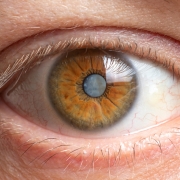
Cataracts are not growths, like many people believe. Often, people refer to having their cataracts “removed,” but this isn’t accurate. Cataracts are a clouding of the lens of the eye. The lens is just behind the iris and the pupil. The backside of the lens is exposed to the vitreous body of the eye. When a person has cataracts, the lens gets increasingly cloudy, eventually causing blindness, since light is unable to enter the eye. This condition develops slowly, and a number of years may pass before the lens completely clouds over.

What Are the Symptoms of Cataracts?

Symptoms of cataracts are often readily observed in both the patient and the examining optometrist. Patients may exhibit:

  • cloudiness of the eye
  • blurriness
  • cloudy vision
  • impaired night vision
  • sensitivity to glare
  • less vibrant colors
  • and more

The best way to determine if you have cataracts is with an eye exam. Professional diagnosis is the only certain way to know if you have developing cataracts or another eye condition. Your optometrist will use a range of tests that may include a slit-lamp exam, retinal exam, visual acuity test and more.

How Are Cataracts Treated?

As noted, cataracts are not a growth that can simply be removed. The standard treatment for cataracts is eye surgery, which involves removing the clouded lens and replacing it with an artificial intraocular lens (IOL). Cataract surgery is one of the most common and successful surgical procedures performed today, and there is an extremely low risk factor. There are different types of IOLs available, including monofocal, multifocal, and toric lenses, each offering varying degrees of vision correction. Your optometrist will go over these options with you before surgery.

Not everyone gets cataracts as they age, but many do. It’s certainly worth undergoing a simple eye exam on a routine basis to check. Contact your Brunswick, GA optometrist to book an appointment today.

How to Prevent Cataracts Naturally

There’s nothing more frightening than losing your eyesight. If you have cataracts and don’t get them treated, they can, in fact, cause you to go blind. That’s why it’s so important to see your optometrist in Jessup, GA, annually.

The doctor will monitor your eyesight so they can detect and provide cataract treatment in Jessup, GA, as soon as they begin rather than waiting until those issues have caused irreversible damage. The good news is that there is something you can do to help prevent cataracts naturally.

How to Prevent Cataracts Naturally

Here is what you can do to help keep from getting cataracts.

Quit Smoking

If you smoke more than 15 cigarettes a day, you are at a much greater risk of developing cataracts later in your life. So, if you smoke, it’s to your benefit to try and quit.

Protect Your Eyes from the Sun

There is some correlation between long-term exposure to ultraviolet light and the development of cataracts. So, if you spend a lot of time outdoors, please talk with your eye doctor about the best way to protect your eyes while you’re outside.

Schedule Regular Eye Exams

Your eye doctor will perform a comprehensive eye exam annually. Cataract testing is performed every two years. After the age of 65, you should have a cataract exam each year.

Properly Manage Cataract Causing Medical Conditions

If you have high blood pressure, diabetes, chronic kidney disease, or are obese, it’s important that you manage those conditions to help avoid cataracts. Make sure you keep your blood sugar under control, eat a healthy diet, exercise, and lose weight.

Consume Antioxidant-Rich Foods

Consuming antioxidant-rich foods like yellow and dark, leafy green vegetables. The lutein and zeaxanthin they contain will lower your risk of developing cataracts.

Increase Your Intake of Omega-3 Fatty Acids

Getting enough omega-3 fatty acids will help your body fight inflammation. Omega-3 fatty acids can be found in seafood, walnuts, and flaxseed. The more omega-3 fatty acids you consume, the lower your chances of developing cataracts are.

Looking for an Optometrist in Jessup, GA?

Follow the steps above to try and keep from getting cataracts. Then, make sure you schedule annual exams so your eye doctor can catch and treat any issues early. Please Contact Vision Source Family Eye Care today. We want to help you keep your eyes shining clear and bright.

Why Cataract Surgery may be Right for You

A cataract is a clouding of the natural lens in your eye that affects your vision. As we age, it becomes increasingly common for the lens to become cloudy, causing images to become blurry and dull. Fortunately, cataract surgery is a safe and effective solution for restoring clear vision.

The proficient team at Vision Source Signature Eye Care of Jesup, GA, is proud to serve communities in order to have excellent access to all forms of premium eye-care services to help restore confidence in your sight.

What are Cataracts?

A cataract is a natural aging process that occurs in the lens of your eye. The lens is usually straightforward but can become cloudy and cause vision problems over time. Cataracts are one of the leading causes of vision loss in people over 40 and are a common reason for seeking vision correction procedures.

Why is Cataract Surgery Important?

Cataract surgery is an important procedure for those struggling with this condition. There are a number of benefits to this surgery, including:

Restores Clear Vision

The primary goal of cataract surgery is to restore clear vision. By removing the cloudy lens and replacing it with a clear artificial lens, patients can see more clearly and enjoy improved visual acuity.

Improves Quality of Life

Cataract surgery can significantly improve the quality of life for those with this condition. By restoring clear vision, patients can more easily participate in activities they enjoy and be more independent and self-sufficient.

Reduces Dependence on Glasses or Contacts

For those who are dependent on glasses or contacts to see clearly, cataract surgery can significantly reduce this dependence. With precise vision, many patients no longer need glasses or contacts in many different circumstances.

Your Trusted Eye Care Professionals

If you are considering cataract surgery, it is essential to work with trusted eye care professionals who can help you determine if this procedure is correct. They can answer your questions and provide the information you need to make an informed decision. During your next appointment with the quality team at Vision Source Signature Eye Care of Jesup, GA, you can be extremely sure that you are receiving the best care and guidance that you and your family deserve.